Need Lawn Care Specialists? Call Today
Landscaping Essentials: Create a Stunning and Useful Exterior Living Area
Landscaping essentials encompass a blend of functionality, design, and upkeep. A well-planned outdoor space elevates both beauty and usability. Key considerations include assessing the landscape's size, purpose, and existing features. Choosing appropriate plants and incorporating hardscaping elements are vital steps. Understanding these fundamentals can create a more appealing environment. What strategies can one utilize to guarantee a thriving landscape that showcases personal style? The answer exists in the details.
Assessing Your Landscape Needs: Essential Considerations
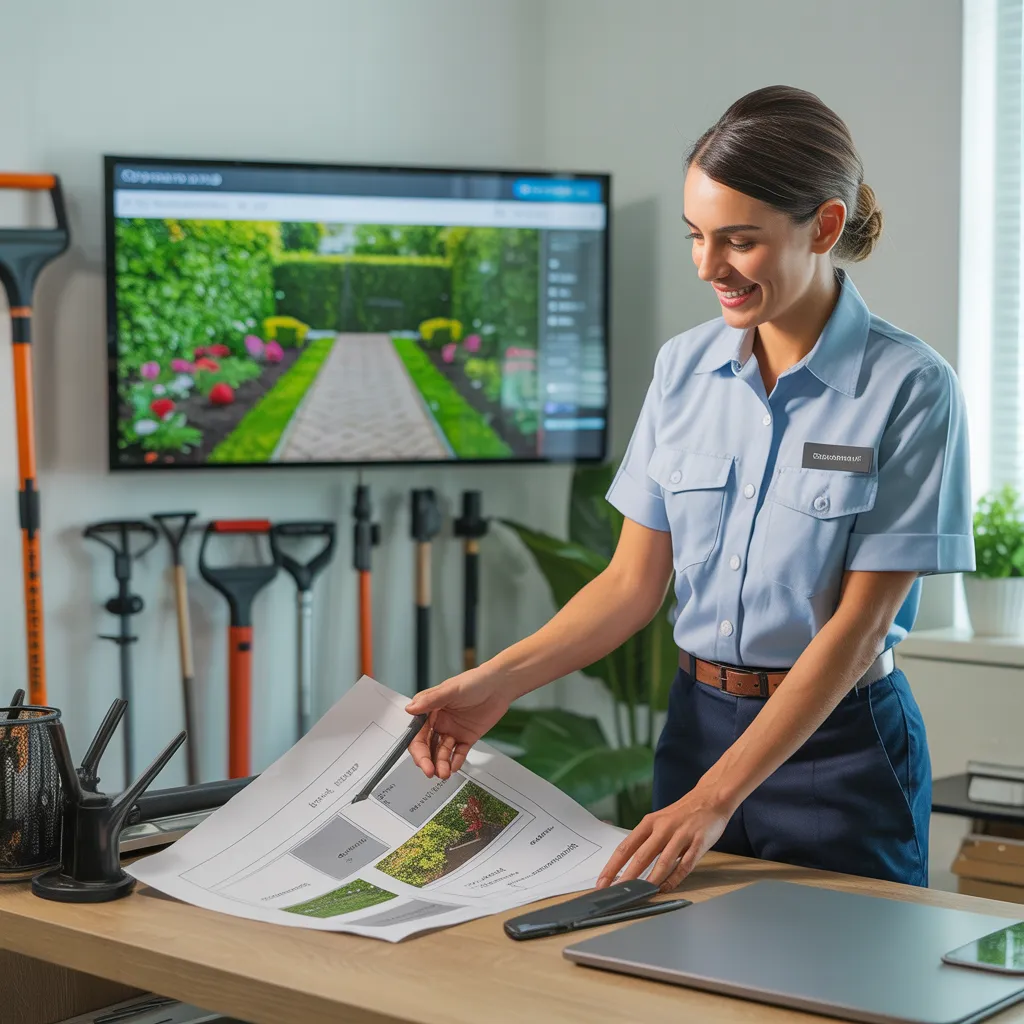
How should homeowners go about evaluating their outdoor landscape needs? First, they should assess their outdoor space by evaluating its area, form, and present characteristics, such as vegetation, paths, and constructions. Establishing the principal function of the landscape is crucial; whether it's for hosting, unwinding, or planting will substantially affect design choices. Property owners must also monitor solar patterns, soil quality, and drainage conditions, as these variables affect plant selection and placement.
In addition, it is crucial to consider maintenance demands; a low-maintenance landscape may be perfect for busy individuals, while those with more time may opt for elaborate designs. Budget considerations will also come into play, as different landscaping options can vary substantially in cost. Finally, gathering inspiration from different sources, such as magazines or online platforms, can help homeowners clarify their vision and needs, resulting in a more personalized and satisfying landscaping plan.
Choosing and Placing the Right Plants for Your Landscape
In choosing plants for a landscape, several elements such as climate, soil type, and maintenance requirements must be evaluated. Additionally, ideal placement strategies can boost aesthetic appeal and foster plant health. Understanding these considerations is vital for creating a flourishing outdoor environment.
Guidelines for Choosing Plants
Selecting the right plants for a landscape requires thorough consideration of multiple elements to create a cohesive and sustainable environment. Considerations such as climate, soil type, and sunlight availability are crucial in determining plant suitability. Additionally, the intended use of the space—whether for aesthetics, privacy, or attracting wildlife—should shape plant choices. It is also critical to consider the growth habits and maintenance requirements of plants, ensuring they align with the homeowner's ability to care for them. Native species often provide resilience and lower maintenance, while seasonal interest enhances visual appeal throughout the year. Ultimately, a thoughtful approach to plant selection fosters a thriving landscape that complements both the environment and the homeowner's vision.
Optimal Placement Strategies
Well-planned placement strategies are essential for creating a visually attractive and functional landscape. The arrangement of plants should consider their height, spread, and growth characteristics. Taller plants are best located at the back of beds or against fences, while shorter varieties should be set in front to guarantee visibility and access to sunlight. Grouping plants with similar water and sunlight requirements can optimize maintenance and promote healthy growth. Additionally, incorporating seasonal color and varying textures improves visual interest throughout the year. Pathways should be designed to allow easy access to different areas, guaranteeing that the landscape remains practical. Eventually, thoughtful plant placement not only improves aesthetics but also contributes to the overall harmony and sustainability of the outdoor environment.
Landscaping With Hardscaping Elements: Creating Structure
Although landscape design often emphasizes greenery and plant life, the integration of hardscaping elements plays an essential role in developing structure and functionality within outdoor spaces. Hardscaping represents the non-plant components of landscaping, including materials such as stone, brick, concrete, and wood. These elements offer a framework that delineates areas, creates visual interest, and supports the overall design.
Elements like patios, retaining walls, and pathways don't just boost usability but also add to the aesthetic appeal of a landscape. For copyrightple, a carefully located stone wall can deliver both privacy and support for plant beds, while a patio offers a designated space for outdoor gatherings. Furthermore, incorporating hardscaping elements enables effective drainage and erosion control, ensuring the landscape remains intact over time. In the end, the thoughtful combination of hardscaping and greenery produces a harmonious environment that balances beauty with practicality.
Planning Paths and Gathering Spaces: Establishing Flow
Creating smooth shifts within a landscape often rests upon the thoughtful design of pathways and gathering spaces. Pathways serve as the veins of a garden, directing visitors through multiple sections while boosting accessibility. They can be built from a selection of materials, such as stone, gravel, or wood, each delivering a unique aesthetic and functional quality.
Meeting points, strategically located along these pathways, promote social interaction and relaxation. Elements like benches, fire pits, or shaded areas can convert a mere passage into a destination, prompting individuals to pause and experience their surroundings.
A thoughtfully planned pathway ought to connect key areas, such as entry points, gardens, and recreational spaces, while taking into account the natural flow of foot traffic. Adding curves and varying widths can establish a more organic feel, permitting the landscape to guide movement naturally. Eventually, the harmonious integration of pathways and gathering spaces cultivates an inviting outdoor environment.
Choose Eco-Friendly Solutions: Environmentally Conscious Landscaping Practices for Your Garden
Pathways and gathering spaces can be designed with eco-friendly landscaping practices that boost both aesthetic appeal and sustainability. Native plants form the foundation of environmentally responsible landscaping, as such plants demand less irrigation and care while sustaining native animal populations. Installing pervious pavement in walkways enables rainfall to penetrate, lowering water runoff while enhancing groundwater replenishment.
Rain gardens can also be strategically placed to capture runoff from hard surfaces, filtering pollutants and providing habitat for beneficial insects. Composting organic waste enriches soil health, reducing the need for chemical fertilizers. Moreover, using organic mulch assists in retaining moisture, suppress weeds, and regulate soil temperature.
Implementing these methods not only creates a attractive outdoor space but also encourages an environmentally responsible approach to landscaping, encouraging biodiversity and preserving resources. By prioritizing sustainability, homeowners can develop a yard that flourishes naturally while decreasing their ecological footprint.
Critical Maintenance Recommendations for a Prosperous Landscape
To keep a vibrant landscape, creating a systematic watering schedule is essential. Moreover, utilizing proper pruning and trimming techniques can encourage healthy growth and improve the overall appearance of plants. These key maintenance practices provide a thriving outdoor space through the seasons.
Routine Watering Plan
How can a regular watering schedule transform a landscape into a vibrant oasis? By ensuring that plants receive consistent hydration, a dedicated watering routine enhances their health and well-being. This technique stimulates enhanced root expansion, permitting plants to survive drought situations more efficiently. It also prevents overwatering, which can lead to root rot and other issues. Altering the routine considering seasonal transitions and local environmental conditions is critical for maximum effectiveness. Dawn or dusk represent optimal watering periods, reducing moisture loss and enhancing water uptake. Furthermore, implementing a drip watering setup can assist in sustaining consistent dampness, guaranteeing each plant gets adequate hydration. Conclusively, a steady watering regimen is vital for a blooming, beautiful landscape setting.
Trimming and Pruning Methods
Although many people overlook this aspect, proper pruning and trimming methods are essential to maintaining a thriving and attractive landscape. Appropriate pruning stimulates growth, enhances airflow, and gets rid of diseased or dead limbs. It is vital to use the right tools, such as keen-edged pruners and saws, to provide clean cuts that support the healing process. Trimming, in contrast, aids in forming plants and regulating their size, making them fit well within the overall design. Timing is also vital; late winter or early spring works best for the majority of plants. Routine care enhances beauty while reinforcing plant health, helping them prosper and combat pests. Utilizing these approaches is critical for thriving landscape maintenance.

Enhancing Your Landscape: Accessories and Decor That Enhance Your Space
As homeowners seek to create inviting outdoor spaces, appropriate accessories and ornamental pieces can substantially elevate the overall landscape. Carefully chosen pieces, such as garden sculptures, decorative planters, and outdoor furniture, can add personality and charm. Lighting serves as another key factor; hanging lights and outdoor lanterns do more than light up walkways and establish a warm atmosphere during evening gatherings.
Furthermore, water features including fountains or birdbaths can work as focal points, luring wildlife while offering soothing sounds. Integrating textiles, like colorful cushions or outdoor rugs, can make seating areas increasingly comfortable and visually appealing.
Natural materials, including stone or wood details, can integrate seamlessly with the surrounding greenery, uniting constructed features with the organic landscape. Through careful integration of these ornamental pieces and decorative items, property owners can create a unified and welcoming exterior space that showcases their individual taste while improving practicality.
Questions & Answers
What Is the Best Time of Year for Landscaping Projects?
The most suitable time for landscaping projects is commonly the spring and early fall seasons. These periods offer excellent weather conditions, helping plants to set roots before winter, ensuring successful growth and a healthy outdoor environment in the following months.
How Should I Pick the Right Landscaping Contractor?
To choose the right landscaping contractor, it's important to assess credentials, obtain references, review portfolios, compare quotes, and evaluate communication skills, ensuring the contractor aligns with the project's vision, timeline, and budget requirements.
What Are Typical Pitfalls to Stay Away from in Landscaping?
Frequent blunders in landscaping include excessive planting, overlooking soil quality, neglecting to account for seasonal changes, selecting explore this inappropriate plants for the climate, and underestimating maintenance needs, all of which can compromise the desired outdoor look and usability.
What Are the Best Strategies for Budgeting Landscaping Costs?
To create an effective budget for landscaping costs, one must investigate expenses, establish project priorities, establish a detailed strategy, reserve emergency funds for unexpected expenditures, and periodically assess and modify the budget as required throughout the process.
What Landscaping Trends Should I Consider for My Home?
Today's landscaping trends feature environmentally conscious practices, native plant varieties, outdoor living spaces, vertical gardens, and smart irrigation systems. These aspects boost aesthetics while supporting environmental responsibility and functionality, engaging homeowners seeking modern solutions.